
 Français
 English
 Italiano


Effects of frost, ice and snow on solar panels: how to minimise the risks?
Winter has arrived, bringing with it the magic of frost-covered landscapes, pristine mountain peaks, and unforgettable snowball fights followed by a comforting hot chocolate by the fire. A true delight for the eyes and a source of joy for mountain lovers — but also a real challenge for owners of photovoltaic solar power plants! Fortunately, our experts are by their side every day to get through winter with peace of mind.
Impact of Frost, Ice and Snow on Solar Panels
Photovoltaic solar panels are designed to convert solar energy into electricity. However, during winter, solar energy becomes harder to capture. First, the sun rises later and sets earlier, meaning daylight hours are reduced and energy output is inevitably affected. As the sun remains low on the horizon, shading becomes more frequent. Cloudy days are also common during this season. In addition, your photovoltaic panels may be covered with frost, ice (with larger droplets than frost), or even snow, further reducing energy production — solar cells that can no longer capture sunlight simply stop generating electricity. Without proper maintenance, the structural integrity of your panels may also be compromised. Heavy snowfall can place significant weight on the panels, potentially damaging their structure. Moreover, repeated freeze-thaw cycles can lead to the formation of microcracks, which may negatively affect the lifespan of your equipment. To preserve your energy production (yes, solar panels do continue to produce electricity in winter!) and your solar power system, it is therefore essential to adopt the right preventive measures.
How to Minimize Risks During the Winter Season?
First and foremost, by anticipating them. Do you live in a region where snowstorms, frost, and icy conditions are frequent? Invest in ultra-resistant solar panels and opt for a steeper tilt angle for your photovoltaic installation. These considerations should be discussed with a qualified professional during the design phase of your solar power plant. You can also purchase protective covers — ideally transparent to maintain energy production — to install over your panels. When it comes to cleaning, if the layer of frost, ice, or snow is thin and temperatures are expected to rise during the day, simply wait for sunlight to do its job. Otherwise, you will likely need to remove the barrier that has formed between your photovoltaic panels and the sun. In that case, to avoid damaging your system and above all to ensure your own safety, it is crucial to follow best practices.
Solutions for Removing Frost, Ice and Snow from Your Solar Panels
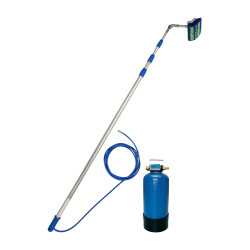
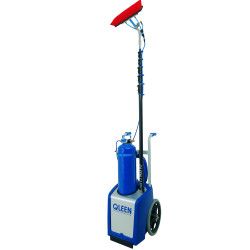
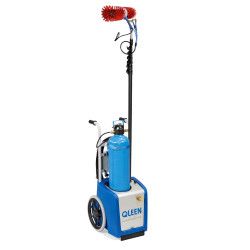
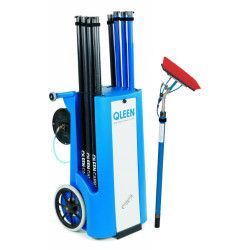
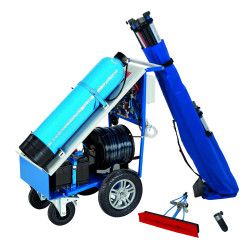
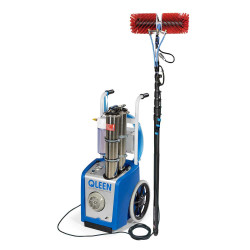
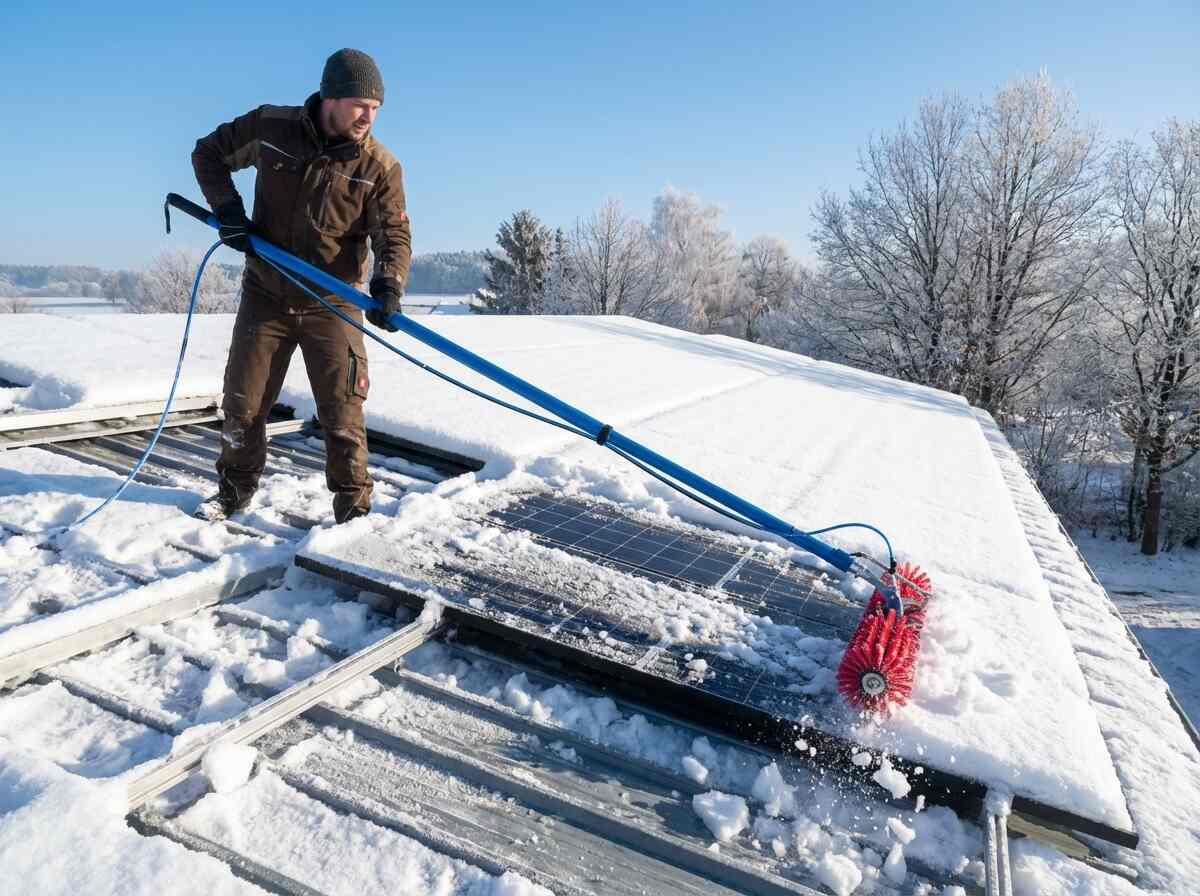
Do your solar panels need cleaning? Many companies specialize in professional solar panel maintenance. However, you can also carry out the upkeep yourself using a dedicated cleaning kit. That said, even though it may be tempting, never use water to remove frost, ice, or snow from your panels, as this could cause thermal shock and damage them. Hard brushes, which can cause scratches, and high-pressure cleaning devices are also strongly discouraged. Need to climb onto the roof to clean your panels? Take all necessary safety precautions (secured ladder, non-slip shoes, etc.), and never walk on your panels — your weight could damage them. Be aware that your roof may be extremely slippery if it has frozen. To avoid this risky situation, we recommend using a soft brush mounted on a long handle. With telescopic poles, you can clean your panels thoroughly and safely from the ground. The rotary brushes developed by Qleen, a specialist in solar panel maintenance, are specifically designed for this purpose. Thanks to their wide range of formats and features, they adapt to all configurations and ensure a careful, efficient, and panel-friendly cleaning result.
Although photovoltaic solar panels are designed to withstand frost, ice, and snow, these winter weather conditions can significantly impact the performance of your solar power system if no action is taken. Prevention remains the most effective solution, but proper and safe maintenance also helps maintain optimal energy production throughout winter. Do you have questions about one of Qleen’s products? Would you like more details about our different ranges? Our teams are here to help. They will be delighted to advise you and guide you toward the most suitable solar panel cleaning solution for your needs.
-
 Standards and regulations governing the cleaning of solar panels
With the growth in renewable energy installations, cleaning solar panels is essential to ensure their performance and...Read more
Standards and regulations governing the cleaning of solar panels
With the growth in renewable energy installations, cleaning solar panels is essential to ensure their performance and...Read more -
 Why choose pure water cleaning?
Cleaning with Pure Water is an innovative, ecological and economical method that optimises the efficiency of solar...Read more
Why choose pure water cleaning?
Cleaning with Pure Water is an innovative, ecological and economical method that optimises the efficiency of solar...Read more -
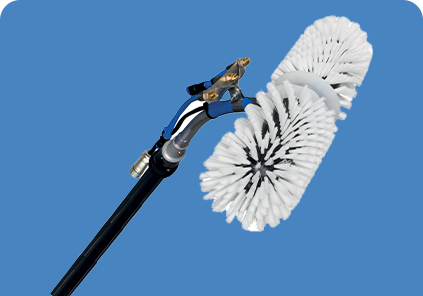 Robot vs rotating brush, which is the best solution for cleaning solar panels?
To maintain optimum energy yield from a solar panel, it needs to be cleaned regularly. This maintenance removes the...Read more
Robot vs rotating brush, which is the best solution for cleaning solar panels?
To maintain optimum energy yield from a solar panel, it needs to be cleaned regularly. This maintenance removes the...Read more -
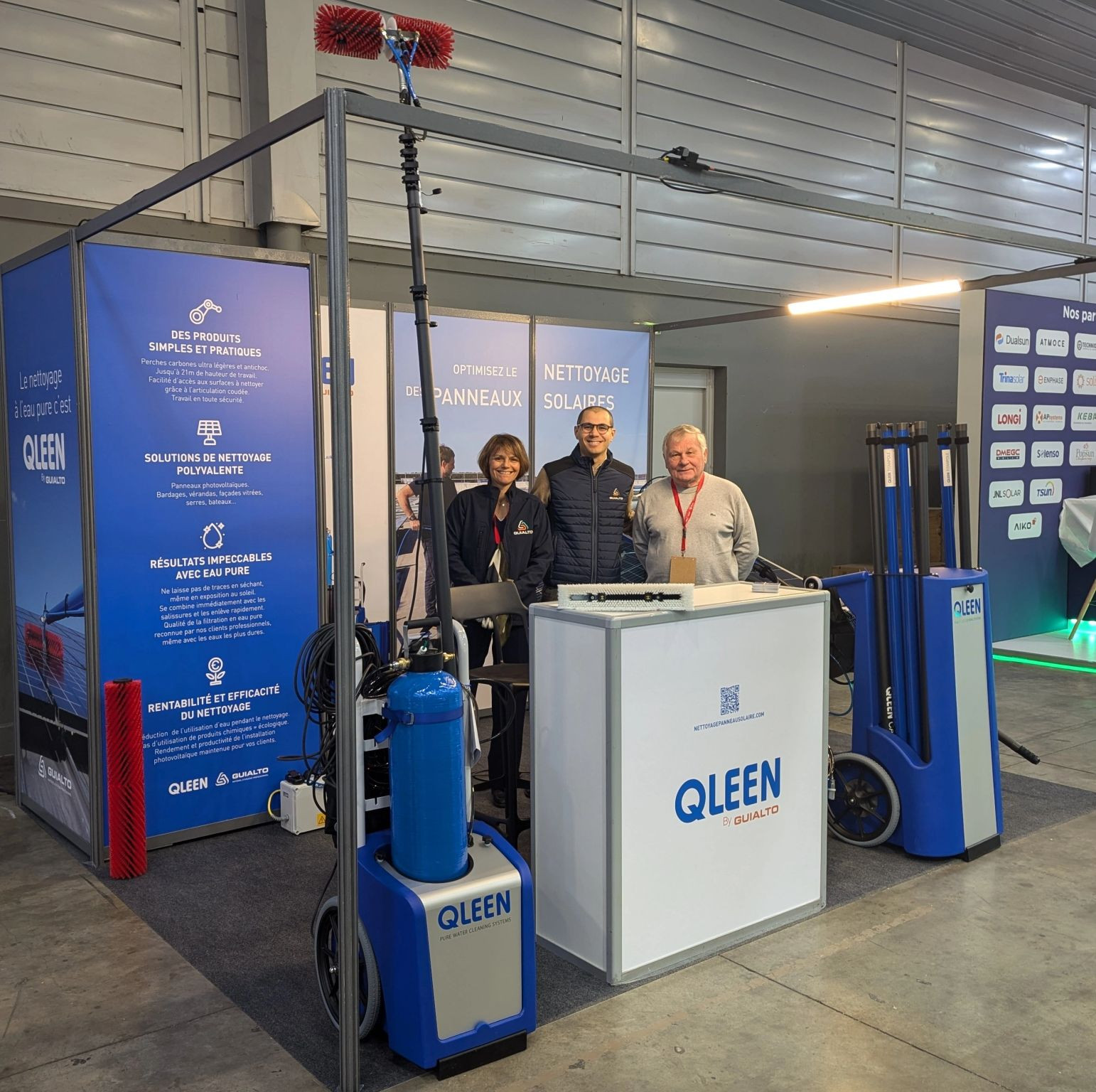 Qleen at Energaia
Many companies specialising in the cleaning and maintenance of solar panels have discovered Qleen equipment. Robust,...Read more
Qleen at Energaia
Many companies specialising in the cleaning and maintenance of solar panels have discovered Qleen equipment. Robust,...Read more -
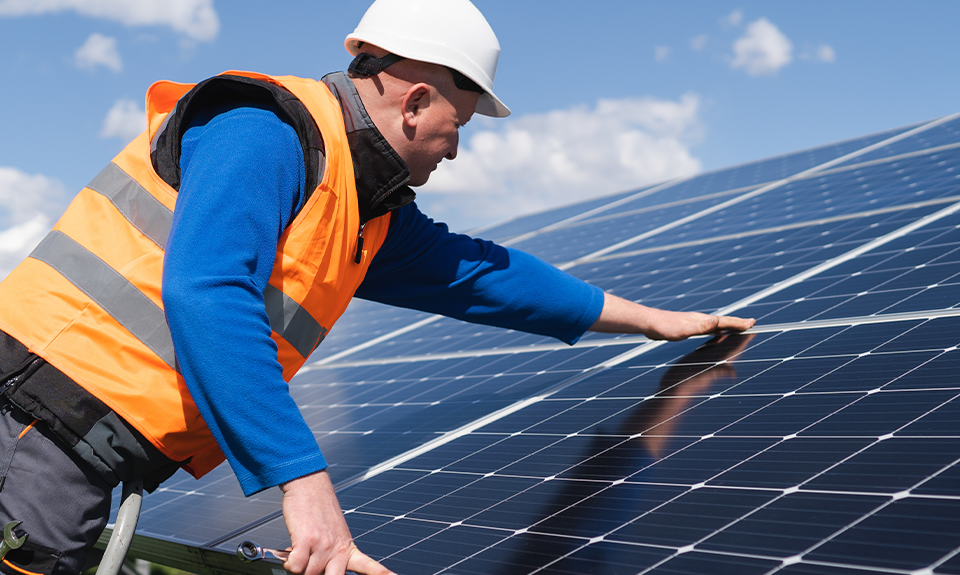 Optimise your solar panel cleaning service: choose the right equipment for your needs
Cleaning solar panels is essential to guaranteeing their efficiency and maximising their energy output. Over time,...Read more
Optimise your solar panel cleaning service: choose the right equipment for your needs
Cleaning solar panels is essential to guaranteeing their efficiency and maximising their energy output. Over time,...Read more