
 Français
 English
 Italiano



Solar panels in coastal areas: What maintenance approach should be taken to combat salt air?
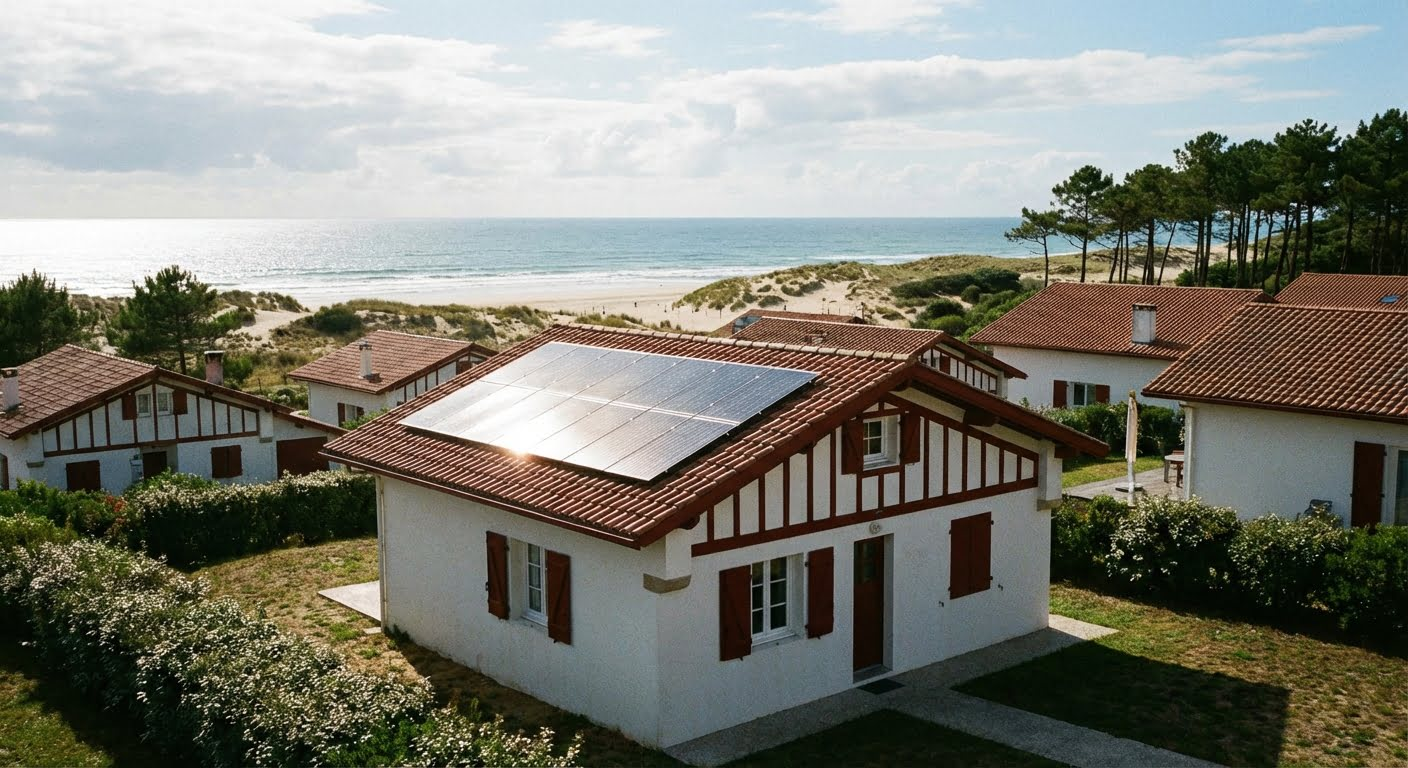
Living by the ocean or the sea is an incredible privilege: what a pleasure it is to cool off during sunny days and, all year round, to recharge your batteries to the sound of the waves while walking along the beach. However, for owners of photovoltaic systems, this idyllic picture comes with a drawback: the impact of salty air on their installation. The risk of corrosion and performance loss is very real if specific and regular maintenance is not carried out.
The effects of salty air on photovoltaic panels
On the coast, the air is rich in sea spray, meaning fine droplets created by waves and carried by the wind. This air is therefore loaded with salt. Over time, salt deposits and accumulates on the structure of your solar panels (glass, mounts, etc.) located in coastal areas. A more or less opaque layer gradually forms, creating a barrier between your photovoltaic cells and sunlight. This inevitably impacts your electricity production: the less light your panels receive, the lower their efficiency. In addition, this buildup of salt accelerates the corrosion of your equipment—another good reason to clean it! Finally, don’t forget that your installation is also exposed to bird droppings and sand, which must be removed to preserve performance.
Maintaining photovoltaic panels in coastal areas is therefore highly recommended in the following regions, where salt and sand deposits are frequent:
- The Mediterranean coast
- Provence
- The Rhône Valley
- Southwest France
- The entire Atlantic coastline
- The Nantes and Bordeaux regions
- Brittany
In these areas, regular solar panel cleaning helps prevent performance loss, optimize electricity production, and extend the lifespan of your solar installation.
Hiring a professional solar panel cleaning service in coastal areas ensures maintenance tailored to local constraints (salt, sand, pollution), while guaranteeing safety and efficiency.
Specific cleaning methods for solar panels near the sea
While it is generally recommended to clean solar panels twice a year (at the end of spring to remove pollen and winter debris, and after autumn to clear fallen leaves), installations located near the sea often require more frequent cleaning, particularly to remove salt deposits. It is crucial to use gentle cleaning methods that respect the integrity of your equipment. Avoid harsh chemicals and high-pressure devices, and always ensure thorough rinsing. The temperature of the water you use is also important: water that is too cold or too hot can cause thermal shock and damage your equipment. Finally, avoid walking on your panels, as this may cause microcracks.
Which cleaning solutions should you choose for solar panels exposed to salty air?
Several solutions are available for cleaning your photovoltaic solar panels:
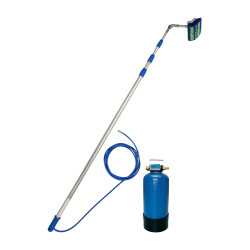
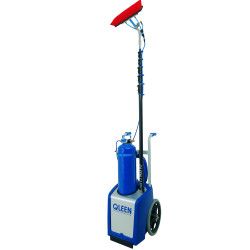
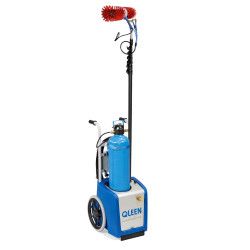
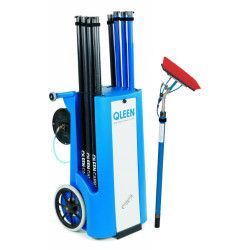
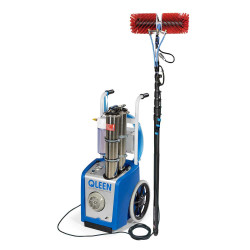
- Telescopic cleaning poles connected to a water supply and equipped with a specific rotating brush. They have the major advantage of being usable from the ground.
- Cleaning robots, effective but costly and requiring proper installation knowledge.
- Specialized drones, ideal for large-scale solar farms but representing a significant investment and dependent on weather conditions.
For small surfaces, you can also use a non-abrasive sponge, a soft cloth, and water.
The role of demineralized (pure) water in removing salt residues
Pure water, demineralized through filtration and therefore free of chemicals and impurities, is an excellent solution for cleaning solar panel surfaces and combating salty air. Its composition ensures a streak-free result after drying, as it limits limescale residue buildup and prevents the formation of a white film that reflects sunlight. In addition, pure water effectively dissolves salt residues. Finally, this solution preserves the glass and other components of your panels, making it ideal for installations exposed to marine environments.
Pay attention to your safety!
It is very important to follow safety guidelines when cleaning solar panels. First, you must switch off the power supply (photovoltaic circuit breaker, inverter, and DC isolator set to “off”) and ensure there is no voltage. Then, if you choose to climb onto the roof, you must be properly trained, equipped with the necessary safety gear, ensure everything is correctly installed, and check that weather conditions are suitable.
Increased vigilance for solar panel cleaning in coastal areas
Salty air, due to the deposits it creates and the corrosion it accelerates, can have a lasting impact on the performance and lifespan of your photovoltaic solar system. That is why maintenance often needs to be intensified in coastal areas. However, it is essential to use gentle methods and avoid putting yourself at risk during cleaning. The use of demineralized water helps maintain installations safely while ensuring optimal performance. Telescopic poles with rotating brushes also enhance safety, as they allow you to clean your solar panels from the ground.
Need advice to optimize the cleaning of your solar panels? Don’t hesitate to contact our team! We’ll be happy to answer your questions and guide you toward the most suitable maintenance solutions. Qleen has developed a complete range of products dedicated to solar panel cleaning—efficient, easy to use, and designed to deliver outstanding results.
-
 Standards and regulations governing the cleaning of solar panels
With the growth in renewable energy installations, cleaning solar panels is essential to ensure their performance and...Read more
Standards and regulations governing the cleaning of solar panels
With the growth in renewable energy installations, cleaning solar panels is essential to ensure their performance and...Read more -
 Why choose pure water cleaning?
Cleaning with Pure Water is an innovative, ecological and economical method that optimises the efficiency of solar...Read more
Why choose pure water cleaning?
Cleaning with Pure Water is an innovative, ecological and economical method that optimises the efficiency of solar...Read more -
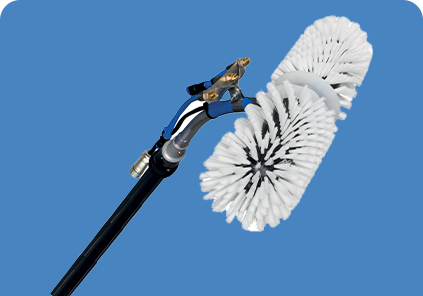 Robot vs rotating brush, which is the best solution for cleaning solar panels?
To maintain optimum energy yield from a solar panel, it needs to be cleaned regularly. This maintenance removes the...Read more
Robot vs rotating brush, which is the best solution for cleaning solar panels?
To maintain optimum energy yield from a solar panel, it needs to be cleaned regularly. This maintenance removes the...Read more -
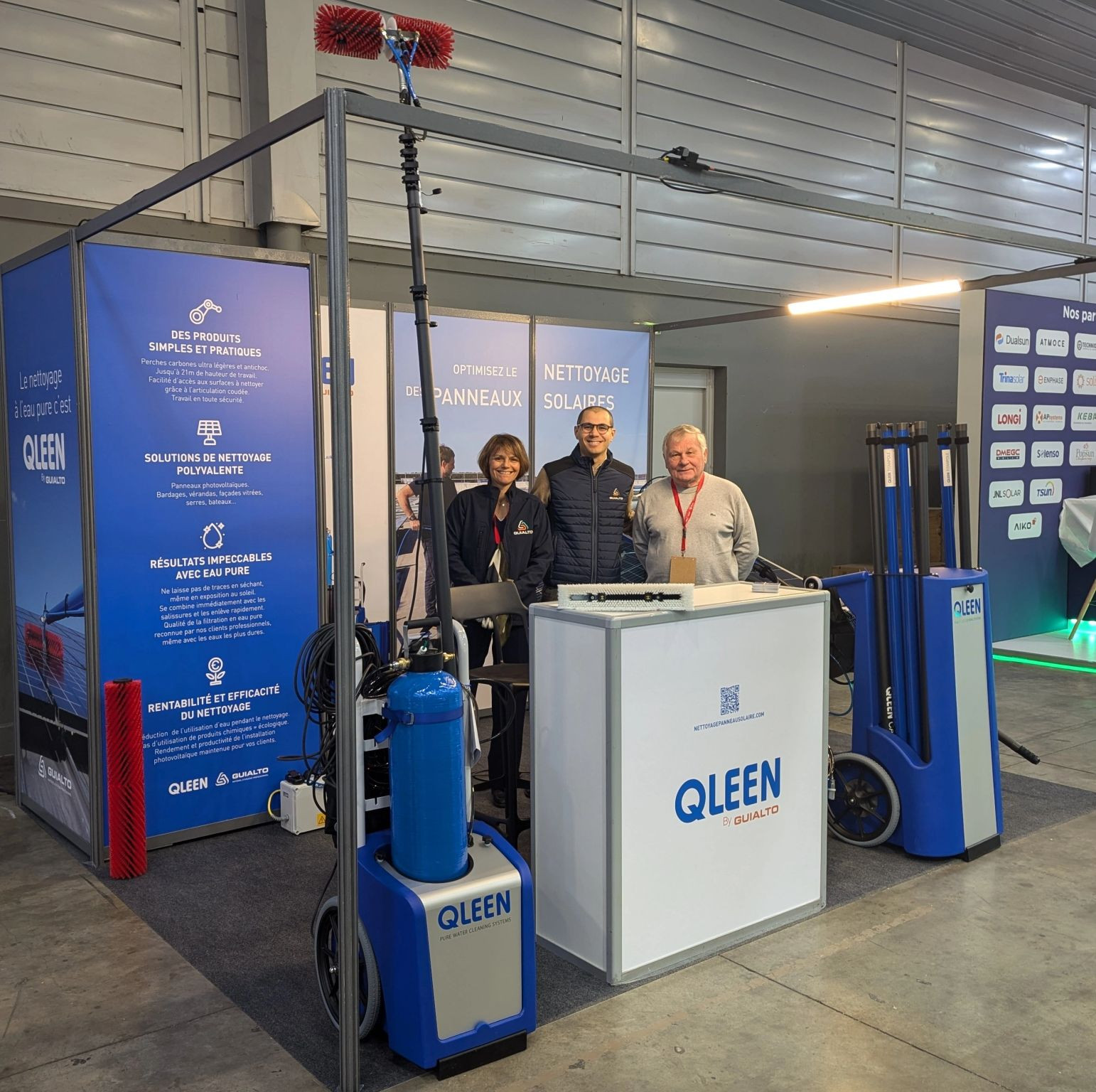 Qleen at Energaia
Many companies specialising in the cleaning and maintenance of solar panels have discovered Qleen equipment. Robust,...Read more
Qleen at Energaia
Many companies specialising in the cleaning and maintenance of solar panels have discovered Qleen equipment. Robust,...Read more -
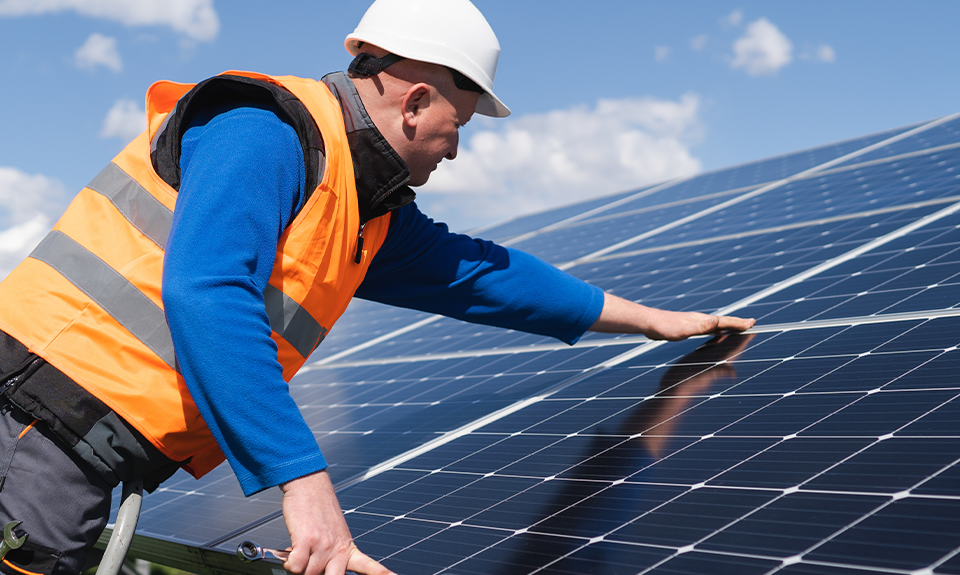 Optimise your solar panel cleaning service: choose the right equipment for your needs
Cleaning solar panels is essential to guaranteeing their efficiency and maximising their energy output. Over time,...Read more
Optimise your solar panel cleaning service: choose the right equipment for your needs
Cleaning solar panels is essential to guaranteeing their efficiency and maximising their energy output. Over time,...Read more